7 Steps to Planning the Perfect Corporate Cruise
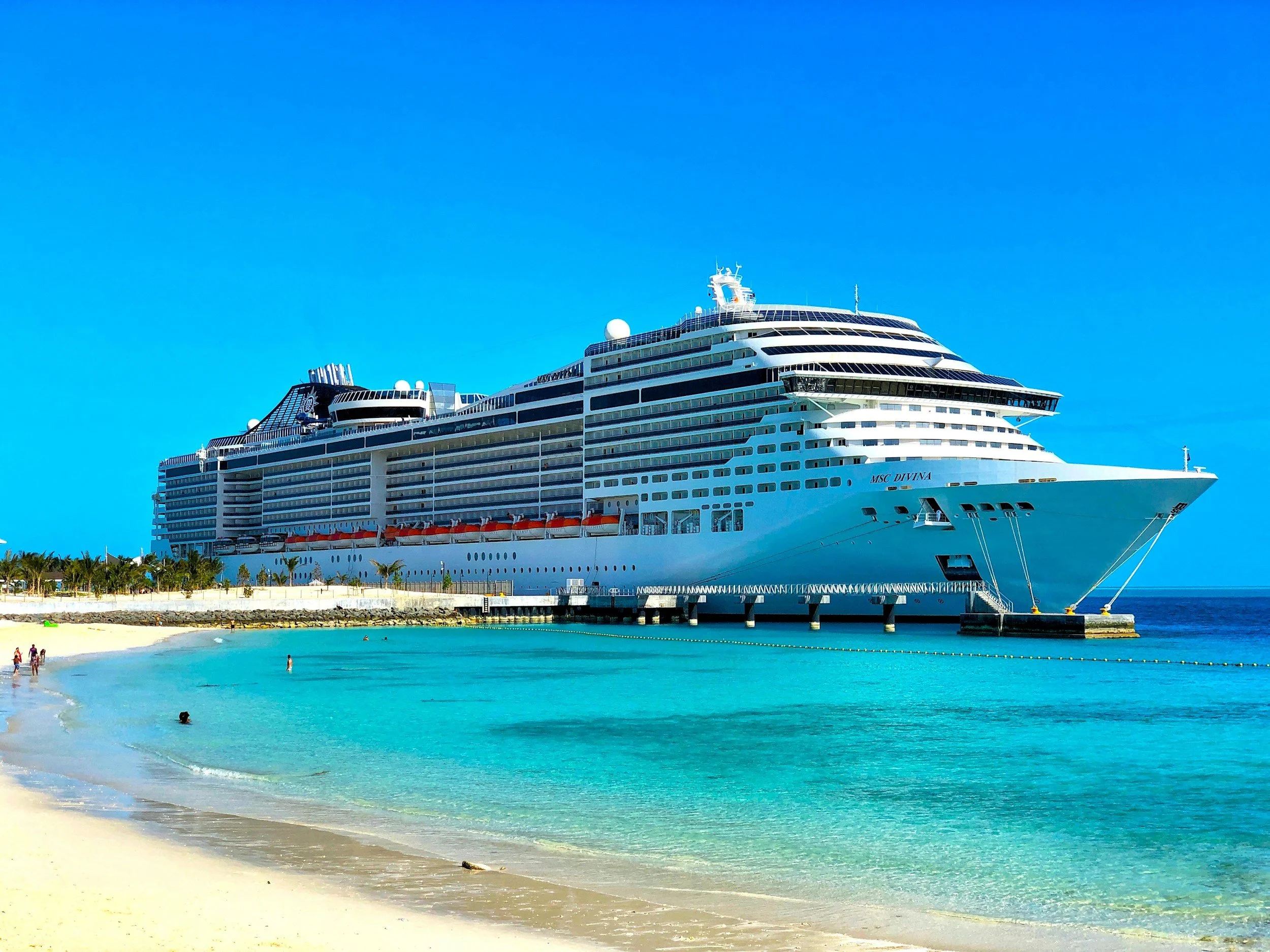
Corporate travel has evolved far beyond hotel ballrooms and conference centers. Today, more companies are turning to cruise ships as dynamic venues for meetings, incentive trips, and team‑building events. A corporate group cruise offers an unmatched blend of productivity, relaxation, and team bonding - all within a controlled, inclusive environment.
For executives tasked with balancing ROI, employee experience, and operational efficiency, cruises deliver unique advantages. Meeting spaces, accommodations, dining, and entertainment are bundled into one predictable cost structure, eliminating the fragmented contracts and service charges typical of land‑based events. Attendees enjoy a seamless experience that provides professional meeting facilities and world‑class leisure options. The result is stronger team cohesion, higher morale, and a memorable event that reflects well on leadership and company culture.
Below are seven keys to planning a corporate cruise that achieves both business and pleasure goals and ensures your group cruise runs smoothly from beginning to end.
1. Define Clear Objectives
Before book a corporate cruise, clarify why you’re hosting the event. Is it a leadership summit, a sales incentive or SKO, a company‑wide retreat, or a cultural reset? Executives should identify both business objectives (e.g., strategic alignment, performance recognition, cross‑department collaboration) and cultural objectives (e.g., morale building, inclusivity, innovation). These goals guide every decision from itinerary length to onboard programming, and help you plan for experiences that reinforce your company’s values. A well‑defined purpose ensures the event feels intentional, not just recreational.
2. Plan to Book Early
Cruise ships operate on fixed itineraries and limited group inventory. Corporate planners who wait until the last minute often face restricted stateroom categories, limited meeting space availability, and higher rates. Booking early - ideally 9 to 12 months in advance, secures the best options for staterooms, venues, and sailing dates. Smaller groups can often still be successful booking only a few months in advance. Early booking isn’t just about logistics; it’s about leverage. Companies that commit early often receive better contract terms, priority venue access, and more flexibility for last‑minute adjustments.
3. Establish a Total Budget Upfront
Cruise pricing is refreshingly transparent compared to hotels, but executives should still define a total event budget before contracting. Include:
Cruise fares and taxes
Airfare if needed
Optional shore excursions
Travel insurance
Gratuities and optional upgrades
Depending on your needs, meeting venues and AV equipment are often included in your group cruise fare. A clear budget prevents scope creep and ensures alignment between finance, HR, and event teams. Cruises simplify cost control because most expenses are bundled, but clarity upfront keeps the event financially disciplined and predictable.
4. Audit Onboard Technology Infrastructure
Modern cruise ships rival high‑end hotels in connectivity and AV capability, but not all vessels are equal. Before finalizing your ship, audit its technology infrastructure:
Internet bandwidth and reliability
Meeting room AV systems
Presentation screens and microphones
Streaming or hybrid meeting support
Dedicated IT assistance
Executives planning tech-heavy sessions should confirm that the ship’s wi-fi is acceptable (it usually is). This further reduces the chances of problems during activities relying heavily on wireless connectivity.
5. Balance the Work‑Hard, Play‑Hard Schedule
The most successful corporate cruises strike a balance between structured business sessions and authentic leisure time. Executives should design an agenda that alternates between focus and freedom, for example:
Morning meetings and workshops
Afternoon networking or excursions
Free time on your own
Evening dinners and entertainment
A reasonable rhythm keeps attendees energized and prevents burnout. A well‑paced schedule also enhances content retention: employees remember insights better when they’re not overloaded. The goal is to create an experience that feels both productive and restorative.
6. Customize the Onboard Experience
A corporate cruise shouldn’t feel like a generic sailing. Customization transforms it into a branded, immersive event. Consider:
Branded signage and welcome materials
Private cocktail receptions or themed dinners
Custom excursions aligned with company culture
Recognition ceremonies in the ship’s theater
Branded gifts or stateroom amenities
Cruise lines offer extensive flexibility for corporate groups, from private lounges to exclusive deck parties. Customization reinforces your company’s identity and makes the event memorable. It also signals to employees that leadership values their experience - a subtle but powerful cultural message.
7. Partner with a Corporate Cruise Expert
Even seasoned travel managers benefit from specialized guidance. A corporate cruise expert understands both the cruise industry and corporate event logistics - two worlds that operate very differently. An expert partner helps with:
Ship and itinerary selection
Cruise line contract negotiation
Booking details
Meeting space coordination
Communication with cruise line event teams
Travel documentation requirements
Cruising 101 – tips and tricks specific to cruising
They act as an extension of your internal planning staff, ensuring your plan aligns with your objectives and budget. This partnership translates to peace of mind: fewer surprises, smoother execution, and someone to skillfully bridge gap between you and the cruise line.
Corporate cruises represent an additional dimension in business travel. When planned correctly, they deliver measurable ROI, strengthen company culture, and create lasting memories for every participant. By focusing on these key points and partnering with a corporate cruise expert, your organization can pull of an event that lives outside the lines of your normal off-sites.