Corporate Cruises – Logistical Headaches or Big Wins
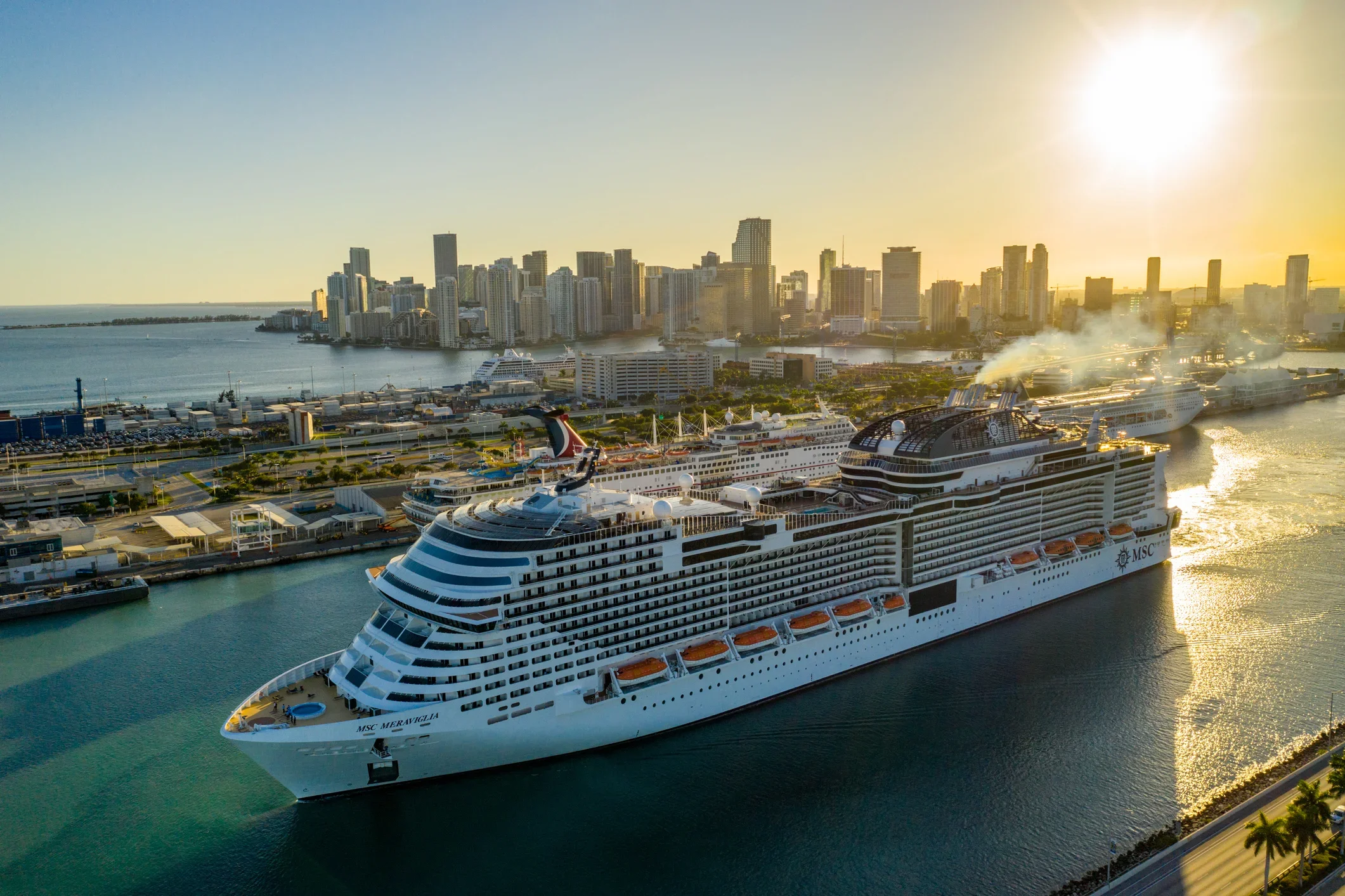
For many U.S.-based executives, the idea of hosting a corporate event, retreat, or incentive program on a cruise ship sounds intriguing, but also unfamiliar enough to raise concerns. Questions about group booking logistics, passport requirements, meeting space coordination, accessibility, dietary needs, and onboard support often surface early in the decision-making process. These concerns are valid, especially for leaders responsible for risk mitigation, employee experience, and budget stewardship. Yet corporate cruising has evolved dramatically over the past decade, and today’s ships are designed to support business groups with a level of efficiency, predictability, and built‑in value that land-based venues often struggle to match.
A well-planned corporate cruise can deliver a controlled environment, exceptional meeting infrastructure, and a memorable experience that strengthens culture and engagement. But to get there, executives need clarity on what the process actually looks like, and how much of the gray area is solved through the right planning approach and the right cruise expert.
The Group Booking Process: More Moving Parts Than a Hotel?
Group meeting planners often assume that booking a group cruise is more complicated than reserving a block of hotel rooms. In reality, the process is simply different, not more difficult. Cruise lines operate with their own terminology, timelines, and contract structures. Business leaders may worry about:
How group space is held and released
Whether pricing will fluctuate
How to manage individual traveler payments
What happens if attendees join late or drop out
How to coordinate air, hotel, and transfers around the cruise
These are legitimate questions, especially for companies accustomed to traditional hotel contracts. Without guidance, the process can be confusing. But with a corporate cruise specialist managing the details, the workflow becomes streamlined and predictable.
Passport Requirements and Documentation Concerns
Documentation is another common hesitation. Company management might fear that passport requirements will create friction, delay participation, or lead to last‑minute issues. They may also be unsure about:
Which cruises require passports
How to handle employees who do not yet have passports
Alternative document options for employees who don’t have passports
How to communicate passport requirements clearly to employees
These concerns stem from unfamiliarity rather than actual difficulty. Cruise lines and travel advisors have established processes for communicating requirements, verifying documentation, and helping companies avoid preventable issues.
Meeting Space Coordination and Technology Reliability
Modern cruise ships also have floating conference centers, but executives who have never cruised for business may not realize how robust the onboard infrastructure has become. Still, concerns arise around:
Availability of private meeting rooms
Technology reliability (Wi‑Fi, A/V, hybrid capabilities)
Scheduling breakout sessions
Ensuring private, professional environments
Cruise lines that cater to corporate groups offer dedicated services, onboard technicians, and meeting spaces equipped with the same technology found in land-based venues. The challenge is not capability - it’s awareness.
Accessibility and Dietary Needs
Executives responsible for employee well‑being often worry about accommodating diverse needs. Common questions include:
Are ships fully accessible for mobility‑impaired travelers?
Can dietary restrictions be handled consistently?
How are medical needs supported onboard?
What if an attendee requires refrigeration for medication?
Cruise ships operate under strict accessibility and safety standards, and they routinely host guests with mobility, dietary, and medical requirements. The key is documenting needs early and coordinating them with the cruise expert you are working with to book your cruise.
The Value of a Corporate Cruise Expert
The most underestimated factor in a successful corporate cruise is the role of a specialized advisor. Many executives assume they must manage the process internally or rely solely on the cruise line. A corporate cruise expert:
Brings clarity to the detailed nuances of cruising
Manages group contracts, deadlines, bookings, and payments
Coordinates meeting space, A/V, and onboard events
Handles accessibility and dietary requests
Communicates documentation requirements
Serves as a single point of contact for the company
This partnership removes the burden from your internal team and ensures the company avoids common pitfalls.
Onboard Support: Who Handles Issues During the Cruise?
Company executives often wonder what happens once the ship sails. Who solves problems? Who manages schedule changes? Who ensures the meetings rooms are set up to plan and everything stays on track?
Corporate cruise programs typically include:
A dedicated onboard event coordinator
Pre-scheduled access to meeting rooms and venues
Support for last‑minute agenda adjustments
Assistance with group dining and private events
Real‑time troubleshooting for attendees
Additionally, many companies choose to send a designated representative (group leader) to travel with the group, ensuring seamless communication between your company, the ship’s onboard event staff, and your cruise expert back on land.
Reframing the Concerns: Why Most Challenges Are Easier Than They Seem
When executives express hesitation, it’s rarely because cruising is inherently complex - it’s because the process is unfamiliar. This is understandable considering that most people are more familiar with booking hotels. Once the cruise structure is explained, most concerns diminish quickly.
Group bookings become straightforward when managed by a cruise expert who handles deadlines, payments, and attendee coordination. A good cruise expert becomes an extension of your team to bring everything together.
Passport requirements are manageable with early communication. Closed-loop U.S. sailings offer flexibility, and advisors provide clear documentation guidance to prevent surprises and present alternatives.
Meeting space coordination is handled for you. Ships designed for corporate groups offer turnkey meeting environments, dedicated technicians, and private venues that eliminate the logistical sprawl of hotels and convention centers.
Accessibility and dietary needs are handled with professionalism and consistency. Cruise lines accommodate thousands of guests weekly, many with specialized requirements, and have established systems to support them.
Onboard support is robust. Companies are not left to manage logistics alone. Event staff, technicians, and coordinators ensure your cruise and onboard events run smoothly from start to finish.
Corporate cruises may initially appear complex, but the perceived challenges are largely a matter of unfamiliarity. Once company management understands how all the pieces actually work, the value becomes clear. A corporate cruise offers a controlled environment, exceptional amenities, and a memorable experience that strengthens culture and engagement - all with the support of professionals who manage the details behind the scenes.
For companies seeking a fresh, high‑impact alternative to traditional venues, corporate cruising is not a logistical headache. It’s a strategic win waiting to happen.